

Singapore’s food processing industry is experiencing a remarkable boom, driven by the rise of food delivery platforms, government initiatives, and a growing population with rising disposable incomes. This surge in demand has created a golden opportunity for investors, particularly in the burgeoning market of B2 ramp-up food factories.
What are B2 Ramp-Up Food Factories?
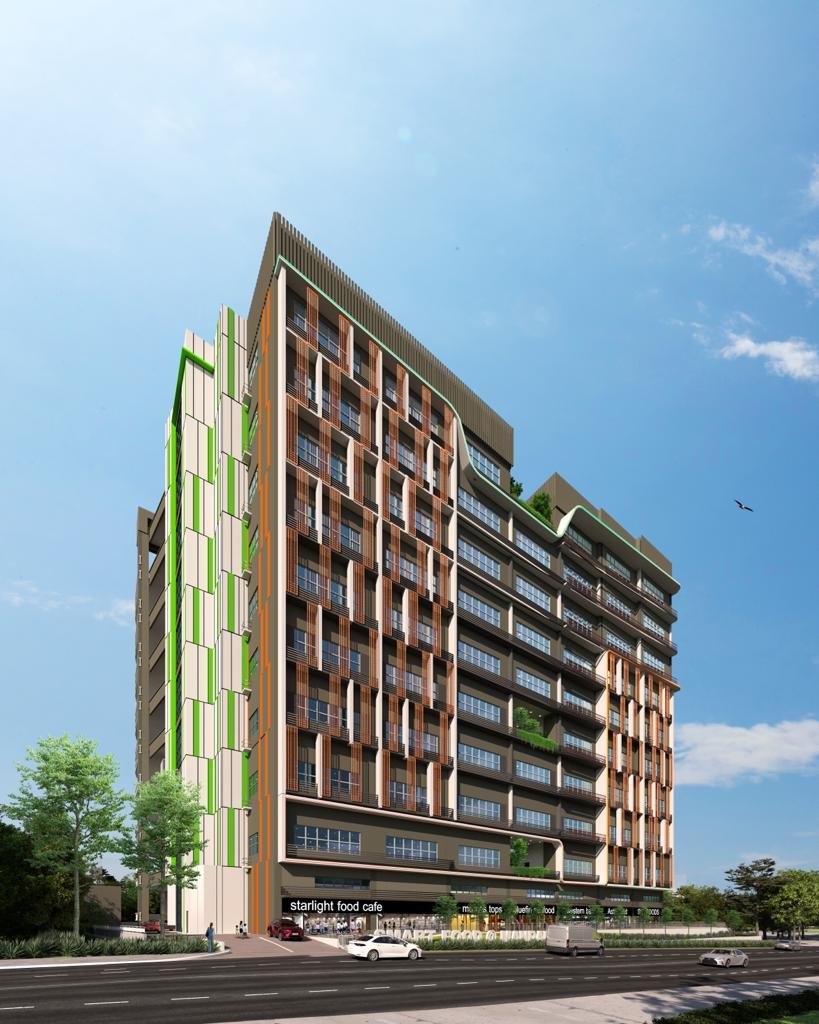
B2 ramp-up food factories are purpose-built facilities designed to accommodate food businesses of all sizes. These multi-storey buildings feature direct loading and unloading access at each level via ramps, facilitating efficient transportation of goods and materials. This unique design offers several key advantages:
- Enhanced Efficiency: Ramp-up access allows for direct loading and unloading at each floor, significantly improving logistics and reducing turnaround times.
- Accessibility: Businesses, regardless of their size or equipment, can easily transport ingredients and finished products, maximizing operational efficiency.
- Flexibility: The multi-storey design allows for vertical expansion, catering to the diverse needs of various food businesses.
- Cost-Effectiveness: B2 factories often offer shared facilities and resources, reducing overhead costs for individual businesses.
Why Invest in B2 Ramp-Up Food Factories?
Several compelling factors make investing in B2 ramp-up food factories a highly attractive proposition:
1. Growing Demand: The food industry in Singapore is projected to reach a value of $80 billion by 2025, driven by the e-commerce boom and rising disposable incomes. This translates to a significant increase in the demand for efficient food production facilities.
2. Government Support: The Singapore government actively supports the food industry through initiatives like the Food Services Industry Transformation Map (ITM). This commitment fosters a conducive environment for food businesses to thrive, attracting further investment opportunities.
3. Strategic Location: Singapore’s strategic location as a global trade hub provides food manufacturers access to a vast regional market. This allows businesses to export products throughout Southeast Asia and beyond.
4. Innovation Hub: Singapore is a hotbed for food-tech innovation, attracting numerous startups and research institutions. Investing in B2 factories creates opportunities to collaborate with these innovators and leverage cutting-edge technologies.
5. Diversification: B2 factories cater to a diverse range of food businesses, from small F&B startups to established manufacturers. This diversification offers investors a stable income stream with lower risk compared to single-tenant investments.
Challenges and Considerations:
While the potential rewards are significant, investing in B2 ramp-up food factories also comes with its own set of challenges:
1. Competition: The market for food factory space is becoming increasingly competitive, requiring investors to offer attractive benefits and competitive pricing.
2. Regulatory Environment: The strict regulations governing food safety and hygiene in Singapore require significant investments in compliance and quality control measures.
3. Initial Investment: Building new B2 factories can be capital-intensive, requiring careful planning and financial management.
4. Sustainability: Investors should prioritize environmentally friendly practices and technologies to ensure their investments are future-proof and contribute to Singapore’s sustainability goals.
Conclusion:
Investing in B2 ramp-up food factories presents a strategic opportunity for investors seeking high-growth potential in Singapore’s dynamic food industry. By carefully evaluating the market, anticipating future trends, and implementing sustainable practices, investors can capitalize on this lucrative segment and contribute to the nation’s food sovereignty and economic success.




 My SG Property