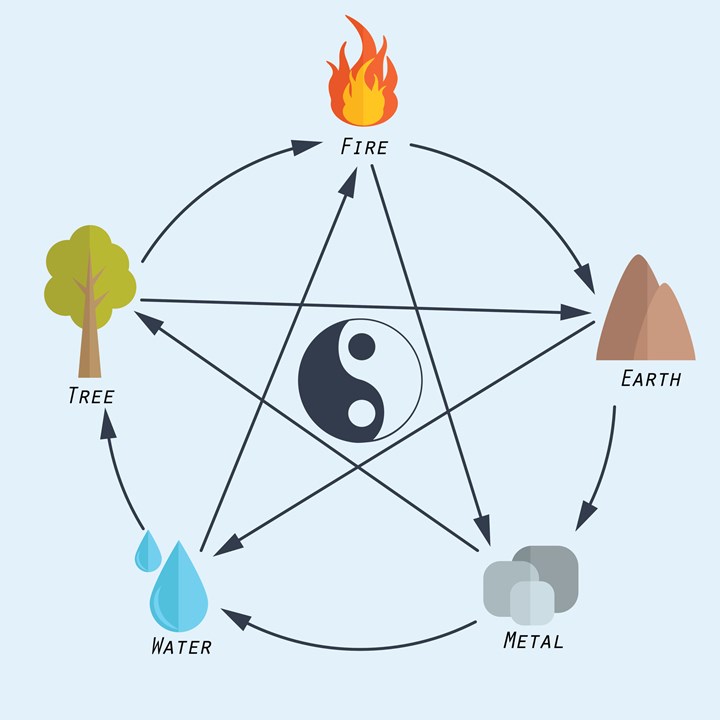
Feng Shui, an ancient Chinese practice, has long been embedded in the cultural fabric of Singapore. In the Lion City, where modernity meets tradition, the influence of Feng Shui in property selection and design remains a pivotal consideration for many. Its principles, centered on harmony, balance, and energy flow, have a profound impact on the way properties are chosen, designed, and even renovated in Singapore.
Singapore, a bustling metropolis known for its skyscrapers, vibrant city life, and diverse cultural heritage, has a populace deeply rooted in beliefs that combine modernity with age-old traditions. In the realm of real estate, Feng Shui plays an instrumental role that transcends mere superstition; it’s considered a crucial factor in property investment and lifestyle choices.
For many Singaporeans, selecting a property involves consulting Feng Shui masters or practitioners. They assess the layout, orientation, and surrounding environment to ensure it complies with Feng Shui principles. The direction the property faces, the positioning of rooms, the flow of energy within the space, and even the surrounding landscape are meticulously evaluated to determine whether the property possesses auspicious energy, known as “Qi.”
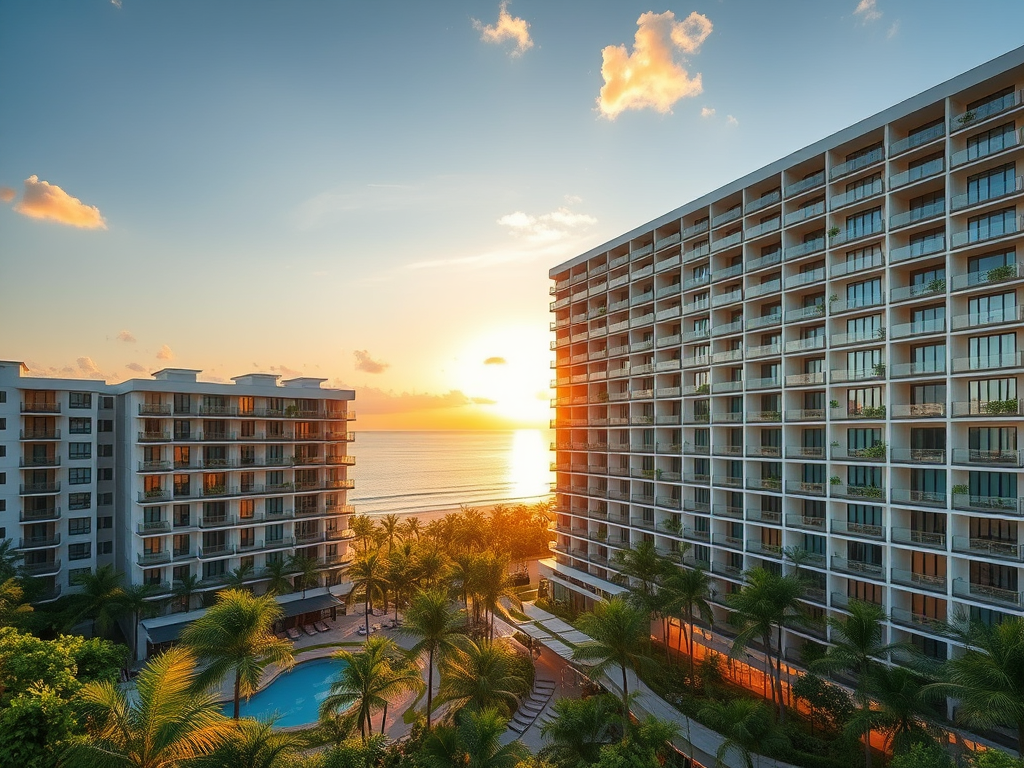
The orientation of the property, such as the facing direction and the presence of nearby geographical features like water bodies or hills, holds significant importance in Feng Shui. For instance, a property that faces a body of water, like a river or sea, is often seen as auspicious, signifying prosperity and wealth. Additionally, the internal layout of the property, including the arrangement of rooms, doors, and furniture, is carefully planned to optimize the flow of positive energy while mitigating any negative influences.
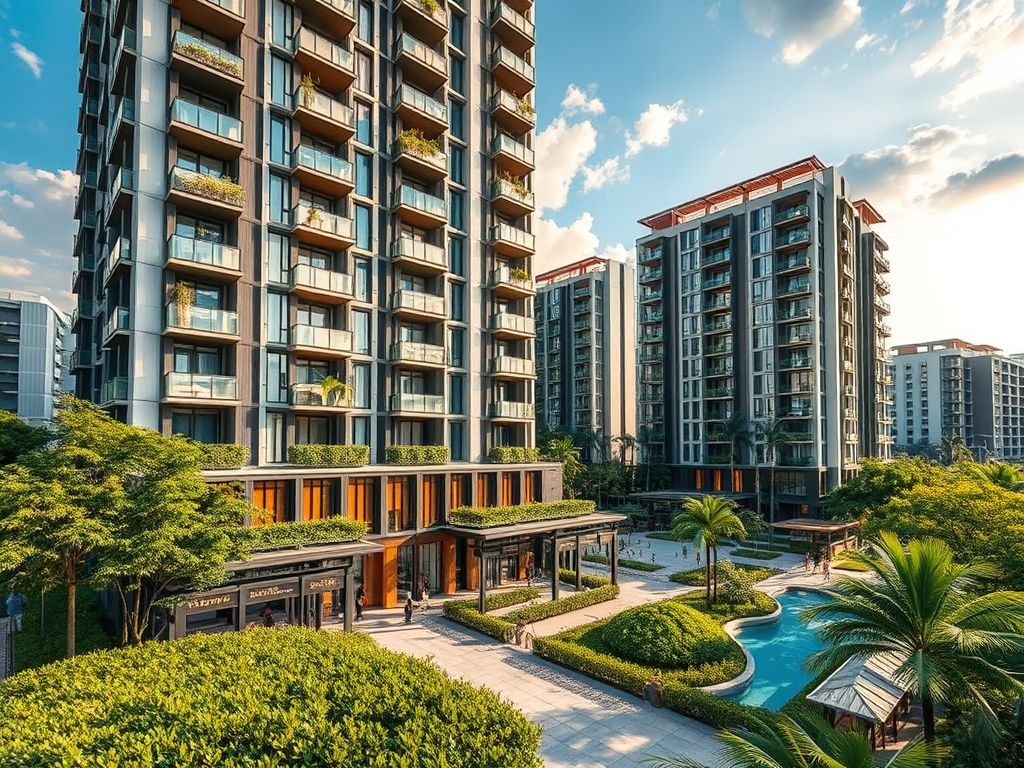
In property design, architects and interior designers collaborate with Feng Shui experts to create spaces that harmonize with these principles. Incorporating elements like natural light, proper ventilation, and the use of specific colors and materials are some ways through which Feng Shui concepts are integrated into the design process. For instance, the strategic placement of mirrors, indoor plants, and fountains may be employed to enhance positive energy flow within the property.
Moreover, the belief in Feng Shui extends beyond the selection of new properties; it often influences renovation decisions for existing homes or offices. Homeowners frequently undertake renovations or make adjustments to align their living spaces with Feng Shui principles, believing that it can bring about improvements in health, relationships, and overall well-being.
In a city where space is limited, the incorporation of Feng Shui in property design isn’t just about adhering to tradition; it’s a testament to the holistic approach that many Singaporeans take towards life. It’s a blend of the practicality of modern living with the reverence for ancient wisdom, seeking not only financial success but also a balanced and harmonious lifestyle.
Despite the rapid urbanization and modernization, the role of Feng Shui in Singaporean property selection and design remains deeply ingrained in the culture. It continues to shape the choices people make when it comes to their homes and workplaces, reflecting a profound respect for tradition and an enduring quest for harmony and positive energy.



 My SG Property